
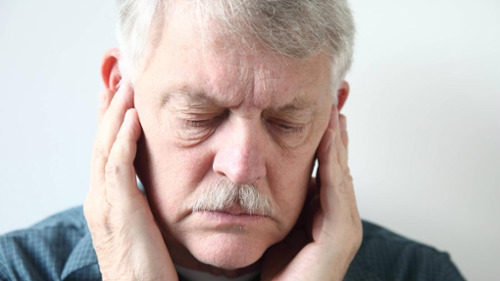
TMJ disorder causes pain and discomfort in the jaw joint and surrounding muscles. For some, symptoms are mild and manageable at home. For others, home care provides only temporary relief. Knowing the difference matters.
At-Home Remedies for TMJ Pain
Several self-care approaches can help reduce mild TMJ symptoms:
- Warm compress — Applying heat to the jaw relaxes tight muscles and increases blood flow to the area.
- Cold pack — Reduces inflammation and numbs acute pain; alternating between heat and cold can be effective for some patients.
- Soft food diet — Reduces load on the jaw joint during chewing; avoid hard, chewy, or tough foods to give the joint time to recover.
- Jaw exercises — Gentle opening and closing movements help maintain the range of motion and reduce muscle tension over time.
The Limitations of DIY Treatment
At-home remedies manage symptoms. They do not address the underlying cause of TMJ disorder. If your bite is misaligned, you grind your teeth at night, or the joint itself is damaged, self-care alone isn’t likely to resolve the problem. Symptoms may improve temporarily only to return.
Benefits of Professional TMJ Treatment
A TMJ dentist can identify the specific cause of your symptoms, which at-home care cannot do. Dr. Pagonis evaluates each patient using a physical examination of the jaw joint and surrounding muscles and diagnostic imaging, such as x-rays. This assessment gives a detailed picture of the joint structure and helps identify the source of pain before treatment begins.
Treatment options may include:
- A custom night guard to reduce grinding and protect the joint during sleep
- Bite adjustment to correct misalignment contributing to jaw strain
- Additional therapies based on your specific clinical findings
When to See a TMJ Dentist in Los Gatos
If your symptoms have lasted more than a few weeks, are getting worse, or are affecting your ability to eat or sleep, it is time to move beyond home care. Contact Nicole Pagonis, DDS, in Los Gatos, CA, to schedule a TMJ evaluation.